


Effective management is the backbone of any successful business. Managers not only supervise employees but also ensure that operations align with organizational goals, maintain quality standards, oversee resources, and foster a productive work environment. Properly defined management responsibilities prevent inefficiency, miscommunication, and operational failures.
Management responsibilities generally fall into several key categories: planning, organizing, staffing, leading, and controlling. Each area requires a clear understanding of duties and accountability to ensure the smooth operation of a business. The following sections will break down these responsibilities in detail.
1. Planning
Planning is the first and arguably the most crucial management responsibility. It involves defining the organization’s goals, identifying resources, forecasting challenges, and establishing strategies to achieve objectives. Effective planning requires managers to conduct market research, risk analysis, and financial forecasting to make informed decisions.
A well-thought-out plan provides a roadmap for the organization, allowing managers to coordinate efforts, allocate resources efficiently, and minimize the likelihood of unexpected obstacles. Planning also includes short-term operational plans and long-term strategic planning, both of which are essential for sustainable growth.
2. Organizing
Organizing involves structuring the company’s resources—both human and material—to execute plans efficiently. Managers must assign responsibilities, group tasks, and establish reporting relationships.
For example, a manufacturing company must organize production schedules, ensure supply chain coordination, and define roles for quality control, inventory management, and logistics. Proper organizing ensures clarity in responsibilities, reduces redundancies, and allows employees to focus on their specialized roles.
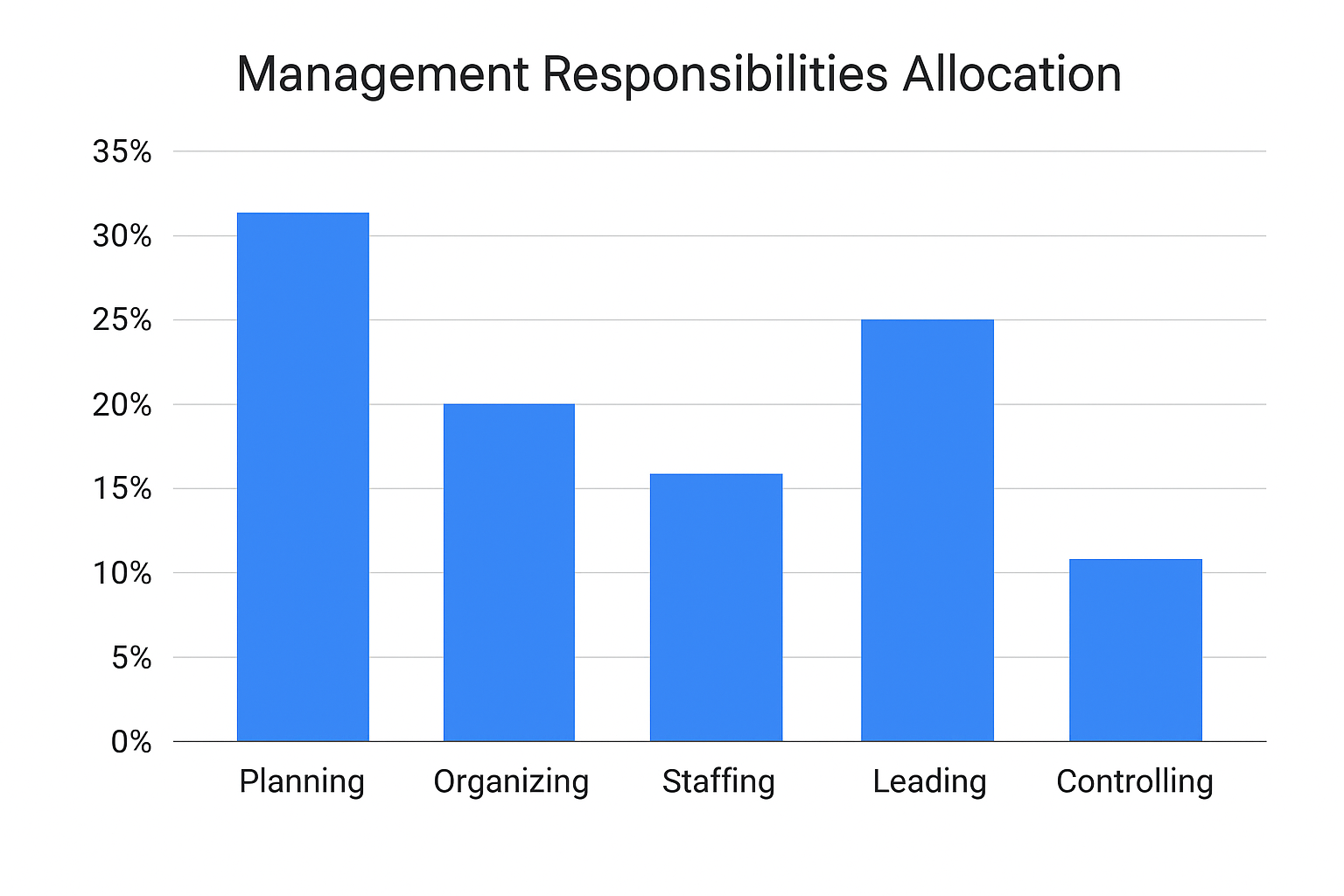
Graph 1: Breakdown of Managerial Responsibilities
Figure 1: This graph illustrates the relative focus managers should give to planning, organizing, staffing, leading, and controlling. The largest focus typically lies in planning and leading, as they directly impact organizational success.
3. Staffing
Staffing refers to hiring, training, and developing employees to ensure the organization has the right talent to meet its objectives. Managers must evaluate workforce needs, conduct recruitment, and implement onboarding programs.
Equally important is performance evaluation and employee development. Proper staffing ensures that the organization has competent personnel who understand their roles, responsibilities, and career growth paths. A well-staffed organization increases productivity, morale, and overall operational efficiency.
4. Leading
Leadership is the ability to inspire, motivate, and guide employees toward organizational goals. Effective managers lead by example, communicate expectations clearly, and cultivate a positive work environment. Leadership responsibilities include:
- Establishing vision and direction
- Encouraging collaboration and teamwork
- Resolving conflicts efficiently
- Recognizing and rewarding employee performance
Leaders who fail to inspire or communicate effectively often face low productivity, employee disengagement, and high turnover. Strong leadership fosters loyalty, innovation, and a culture of accountability.
5. Controlling
Controlling is the process of monitoring performance, comparing results to goals, and implementing corrective measures. Managers use performance metrics, financial reports, and operational data to ensure objectives are being met.
Effective control ensures:
- Quality standards are maintained
- Budgets and deadlines are respected
- Employee performance aligns with expectations
- Problems are identified and corrected early
Controlling is an ongoing process that allows managers to adapt strategies, allocate resources efficiently, and maintain operational stability.
6. Balancing Responsibilities
Successful management requires balancing all five responsibilities. Overemphasis on one area, such as planning, at the expense of staffing or leading, can create gaps in performance. Managers must allocate time and attention appropriately to each responsibility based on organizational priorities.
The following chart shows an example allocation of managerial focus across responsibilities:
| Responsibility | Recommended Focus (%) |
|---|---|
| Planning | 30 |
| Organizing | 20 |
| Staffing | 15 |
| Leading | 25 |
| Controlling | 10 |
As shown in Figure 1, planning and leading take the largest share of focus, emphasizing strategic decision-making and employee engagement. Staffing and organizing remain critical but support these primary areas, while controlling is continuous but less time-intensive.
7. Communication and Decision-Making
Proper management responsibilities cannot exist without effective communication and decision-making. Managers must relay goals, policies, and updates clearly, both upward to executives and downward to employees. Open communication channels prevent misunderstandings, reduce errors, and improve responsiveness.
Decision-making is equally essential. Managers evaluate alternatives, assess risks, and make informed choices that align with organizational objectives. Delegating decisions appropriately empowers employees while maintaining managerial oversight.
8. Accountability and Ethics
Managers hold accountability for organizational outcomes. This includes taking responsibility for successes and failures, enforcing policies, and ensuring ethical conduct across operations. Ethical management fosters trust, sustains reputation, and aligns the company with legal and social expectations.
Responsibilities include:
- Enforcing compliance with laws and regulations
- Upholding workplace ethics and fairness
- Monitoring financial practices for transparency
- Maintaining safety standards
Ethical management strengthens company culture and mitigates risks associated with misconduct or legal issues.
9. Continuous Improvement
Modern management emphasizes continuous improvement. Managers should regularly assess operational efficiency, employee performance, and strategic goals. Tools like performance metrics, customer feedback, and market analysis allow managers to adjust plans, improve processes, and sustain competitive advantage.
Adopting frameworks such as Kaizen, Six Sigma, or Lean Management can enhance organizational productivity and ensure resources are used effectively. Continuous improvement also prepares the business for growth, innovation, and changing market demands.
10. Conclusion
Proper management responsibilities are multifaceted, encompassing planning, organizing, staffing, leading, and controlling. Managers must balance strategic planning with employee engagement, resource allocation, and operational monitoring. Effective communication, ethical accountability, and continuous improvement underpin every successful management strategy.
By understanding and implementing these responsibilities, managers ensure that their organizations operate efficiently, meet objectives, and remain adaptable in a dynamic business environment.
Graph Summary: Managers should allocate approximately 30% of focus to planning, 25% to leading, 20% to organizing, 15% to staffing, and 10% to controlling to maintain balance and efficiency.