Restroom Cleaning in the Food Industry: The Importance of Cleaning Schedules and Routine Inspections to Prevent Poor Hygiene and Cross-Contamination

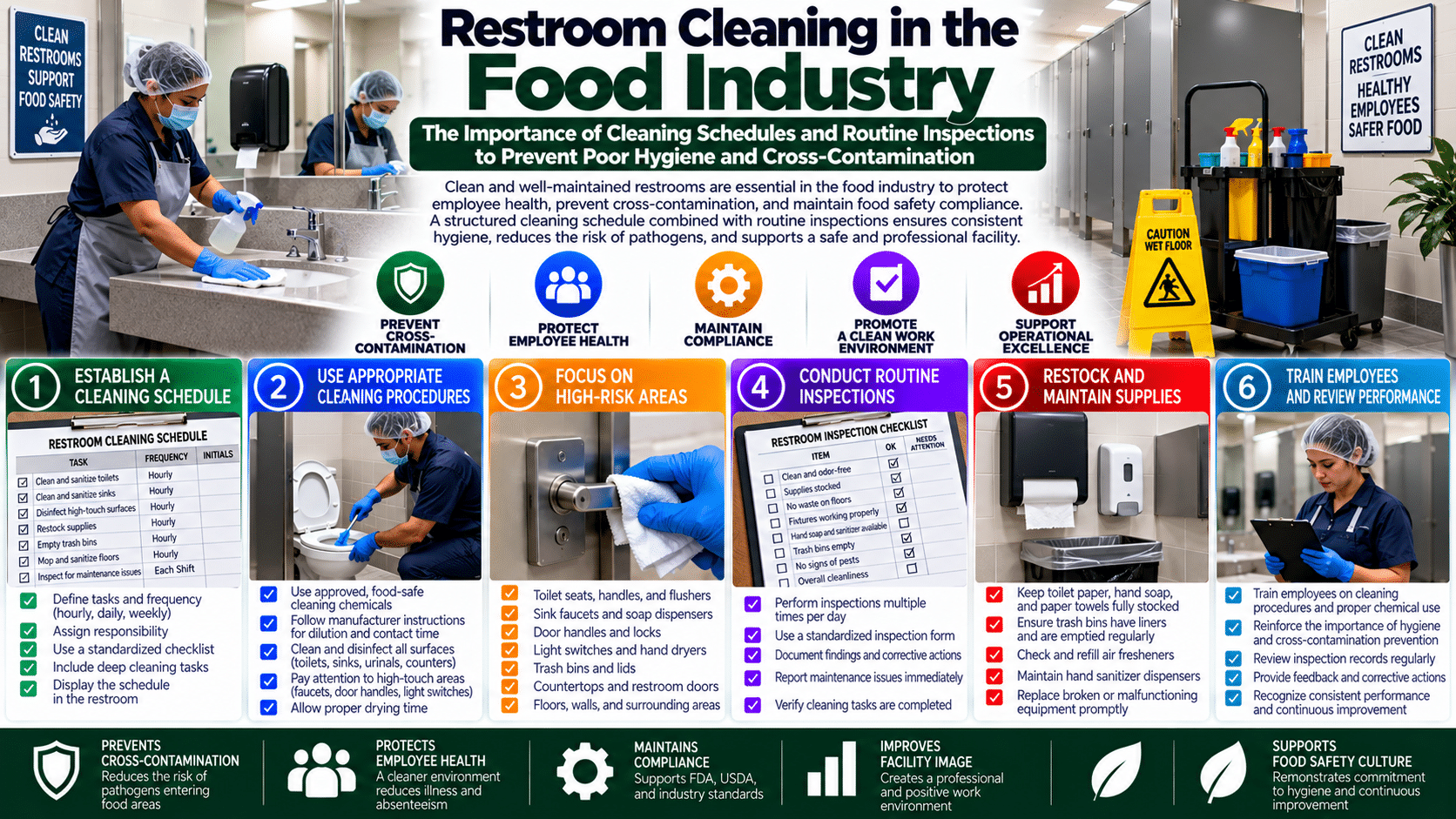

In the food industry, maintaining hygiene is fundamental to protecting both consumers and employees. While most food safety programs emphasize kitchen sanitation, equipment cleaning, and food handling procedures, restroom cleaning is equally critical. Restrooms represent one of the most significant sources of cross-contamination if they are not adequately maintained. Poor restroom hygiene can easily lead to the spread of pathogens such as E. coli, Salmonella, Norovirus, and Listeria, all of which can transfer from surfaces to food through employees’ hands, clothing, or tools.
To mitigate these risks, a structured restroom cleaning schedule supported by routine inspections is vital. Establishing clear procedures ensures that facilities remain sanitary at all times, employee hygiene is upheld, and food safety regulations are met. This article discusses the importance of restroom sanitation, how scheduled cleaning and inspections can prevent poor hygiene, and the broader implications for cross-contamination in the food industry.
Restrooms are high-risk environments where pathogens thrive due to the presence of human waste, moisture, and frequent human contact. According to the World Health Organization (WHO, 2015), restrooms are among the most common vectors for the transmission of foodborne illnesses when sanitary practices are neglected. Surfaces such as door handles, faucets, flush levers, and soap dispensers are touched multiple times per day, often without adequate disinfection.
In the food industry, the risk intensifies. Employees who fail to wash or sanitize their hands properly after using the restroom can carry contaminants into food preparation areas, increasing the likelihood of foodborne outbreaks. Regulatory bodies such as the Food and Drug Administration (FDA) Food Code (2017) and Occupational Safety and Health Administration (OSHA) emphasize restroom cleanliness as part of compliance with food safety standards.
Poor restroom hygiene does not only endanger consumers but also impacts employee morale and productivity. A visibly unclean restroom can discourage proper handwashing and promote lax attitudes toward hygiene, undermining an organization’s entire food safety culture.
A cleaning schedule is a documented plan outlining the frequency and method for cleaning restroom facilities. In the food industry, such schedules are critical preventive controls that ensure consistency and accountability. Key components of a cleaning schedule include:
By implementing a cleaning schedule, food facilities move from reactive to proactive hygiene management. Instead of responding to complaints or visible dirt, staff follow preventive procedures that consistently maintain sanitation standards.
Even the best cleaning schedule can fail if not routinely verified. Routine inspections act as verification tools, ensuring tasks are completed effectively and deficiencies are corrected promptly.
Routine inspections ensure that cleaning schedules are not simply documented but actively followed and effective.
Restroom cleaning schedules and inspections serve as the backbone of hygiene in food facilities. The benefits extend beyond appearance, directly reducing risks associated with poor hygiene.
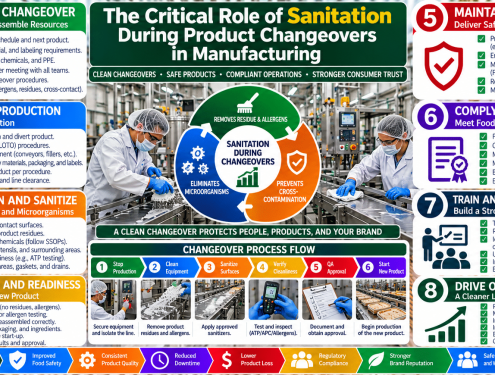
The most significant threat of inadequate restroom sanitation is cross-contamination. Cross-contamination occurs when pathogens from one surface or individual are transferred to food, food-contact surfaces, or other employees. In the context of restrooms:
Routine cleaning and inspections reduce these risks by removing contamination sources before they spread into critical production zones.
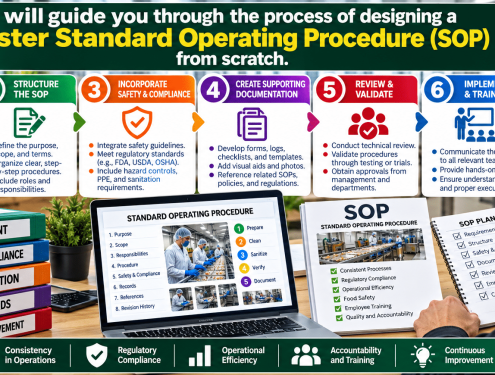
To ensure effectiveness, restroom sanitation should be formalized through a Standard Operating Procedure (SOP). Core elements include:
Embedding restroom sanitation within an SOP provides clarity and ensures consistency across shifts and facilities.
Beyond food safety, restroom cleanliness impacts employee health, customer perception, and organizational reputation. In the food industry, reputation is critical. A single incident of poor restroom hygiene discovered by auditors, regulators, or customers can damage brand trust.
Moreover, employees are more likely to take pride in their work and adhere to hygiene standards when facilities are visibly well maintained. Clean restrooms reduce absenteeism by preventing illness spread among staff, thereby supporting productivity and profitability.
Restroom cleaning is not merely a matter of appearance in the food industry—it is a critical food safety control. A structured cleaning schedule paired with routine inspections ensures that hygiene standards are consistently met, minimizing risks of poor hygiene and cross-contamination. By prioritizing restroom sanitation, food facilities protect consumers, employees, and their own reputations while fostering a strong culture of safety and accountability.
Clean restrooms represent the foundation of good hygiene practices, and in the food industry, they are indispensable in safeguarding public health.
References