Understanding the Work-in-Process (WIP) Process in the Food Industry

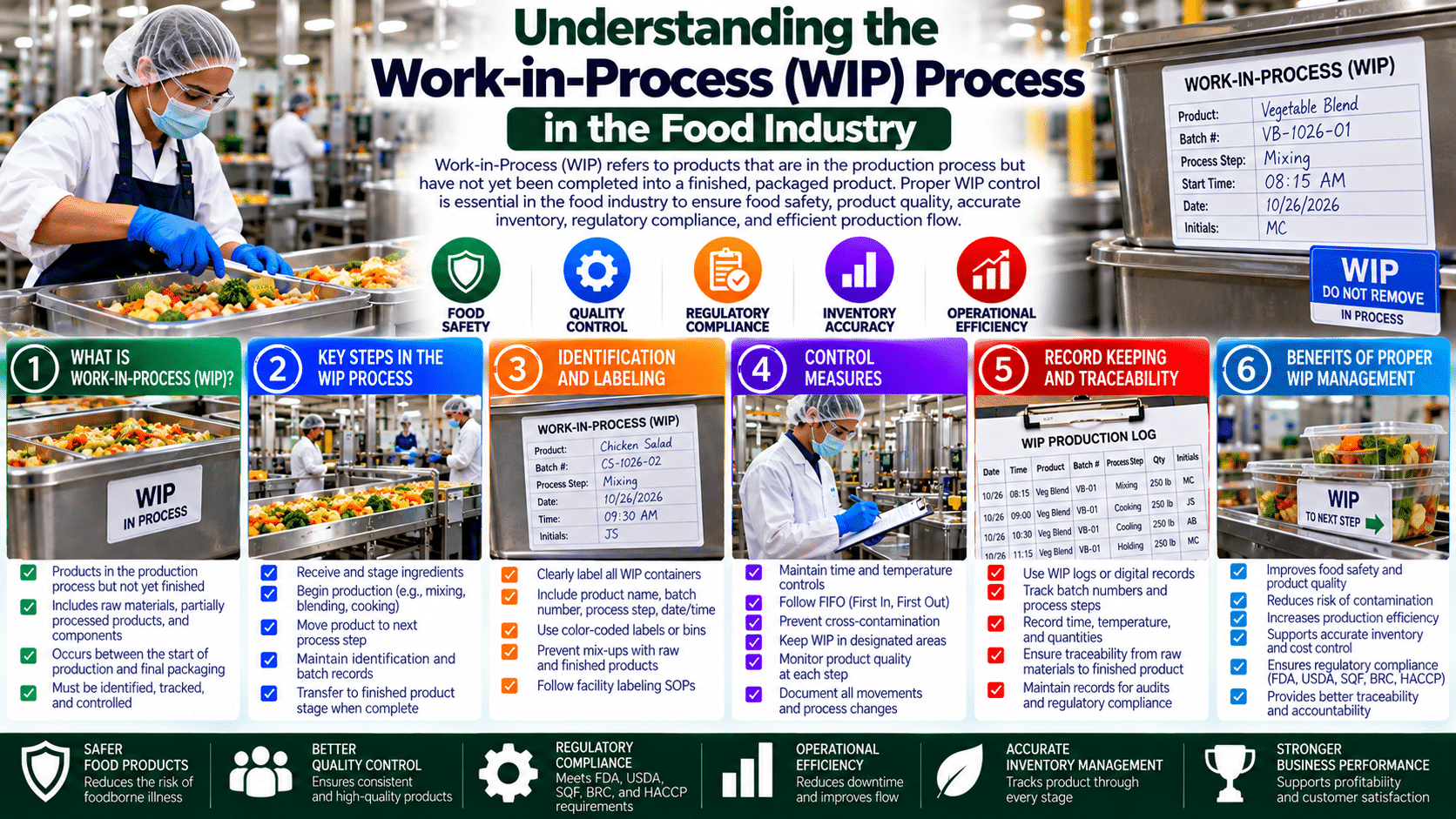

In the food manufacturing sector, maintaining an efficient production process is paramount to ensuring product quality, safety, and profitability. One critical aspect of this process is the management of Work-in-Process (WIP) inventory. WIP refers to partially finished goods that are in various stages of production but are not yet completed. Effectively managing WIP is essential for optimizing production flow, minimizing waste, and ensuring timely delivery of products to consumers.
Work-in-Process (WIP) inventory encompasses all materials and products that are in the production process but are not yet finished goods. In the food industry, this can include raw ingredients that are being processed, partially cooked items, or products awaiting packaging. WIP is a crucial component of the manufacturing cycle, bridging the gap between raw materials and finished products.
Efficient WIP management ensures a smooth transition between different stages of production. By maintaining an appropriate level of WIP, manufacturers can prevent bottlenecks and ensure that each stage of the production process operates without unnecessary delays. This optimization leads to faster production cycles and the ability to meet consumer demand promptly.
Proper WIP management helps in identifying inefficiencies and areas where waste can be reduced. By closely monitoring WIP levels, manufacturers can adjust production schedules to prevent overproduction, which can lead to spoilage or obsolescence of products. This proactive approach helps in reducing costs associated with waste and enhances overall profitability.
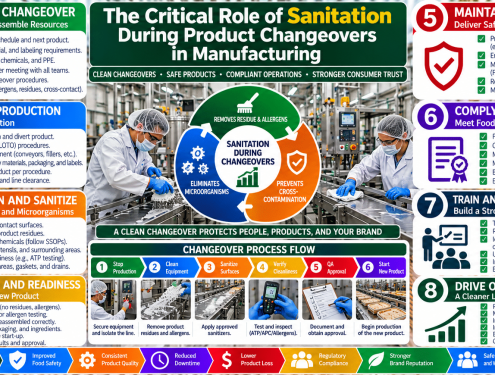
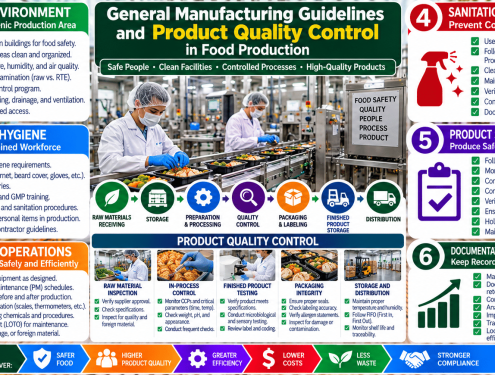
In the food industry, maintaining product quality and safety is non-negotiable. WIP management plays a vital role in this by ensuring that products are processed and stored under optimal conditions. Effective WIP storage practices, such as maintaining proper temperatures and hygiene standards, help in preventing contamination and ensuring that products meet safety regulations.
Food manufacturers are required to adhere to stringent regulatory standards set by authorities such as the Food and Drug Administration (FDA) and the Food Safety Modernization Act (FSMA). Proper WIP management assists in maintaining traceability and documentation, which are essential for compliance with these regulations. It also aids in conducting effective recalls if necessary, ensuring consumer safety and brand integrity.
Adopting a FIFO system ensures that older products are processed before newer ones, reducing the risk of spoilage and ensuring that products are used within their shelf life. This practice is particularly important in the food industry, where products have limited shelf lives.
Leveraging technology, such as Enterprise Resource Planning (ERP) systems and Manufacturing Execution Systems (MES), allows for real-time tracking of WIP inventory. These systems provide visibility into the production process, enabling manufacturers to monitor WIP levels, identify potential issues, and make informed decisions to optimize production.
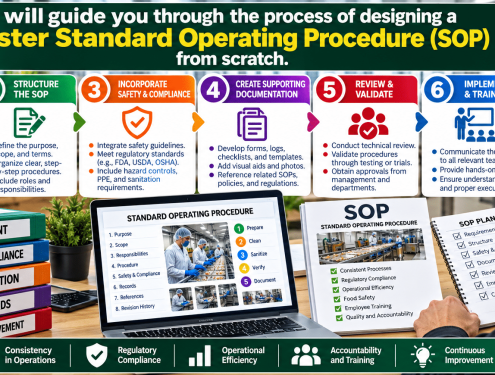
Ensuring that all personnel involved in the production process are adequately trained and follow established SOPs is crucial for maintaining consistent quality and efficiency. Regular training sessions and updates to SOPs help in keeping the workforce informed about best practices and regulatory requirements.
Regular audits and inspections of WIP storage areas and production lines help in identifying potential issues before they escalate. These inspections should focus on aspects such as cleanliness, temperature control, and adherence to safety protocols.
Clear labeling of WIP items with relevant information such as production dates, batch numbers, and expiration dates aids in tracking and managing inventory effectively. Proper documentation ensures traceability and facilitates compliance with regulatory requirements.
Maintaining the right balance of WIP inventory is challenging. Too little WIP can lead to production delays, while too much can result in increased storage costs and potential waste. Striking the right balance requires careful planning and continuous monitoring.
Perishable items pose a unique challenge in WIP management due to their limited shelf life. Manufacturers must implement stringent controls to ensure that these products are processed and distributed promptly to prevent spoilage.
Fluctuations in consumer demand can lead to challenges in WIP management. Manufacturers must be agile and responsive to changes in demand to adjust production schedules and WIP levels accordingly.
Regulatory standards in the food industry are continually evolving. Staying abreast of these changes and ensuring that WIP management practices comply with new regulations requires ongoing education and adaptation.
WIP inventory directly affects a company’s financial performance. High levels of WIP tie up capital that could be used elsewhere, impacting cash flow. Additionally, excessive WIP can lead to increased storage costs and potential waste, negatively affecting profitability. Conversely, insufficient WIP can result in production delays and missed revenue opportunities.
Effective management of Work-in-Process (WIP) inventory is integral to the success of food manufacturing operations. By optimizing production flow, minimizing waste, ensuring product quality and safety, and maintaining compliance with regulatory standards, manufacturers can enhance efficiency and profitability. Implementing best practices such as the FIFO system, utilizing technology for tracking, and adhering to established SOPs are essential steps in achieving effective WIP management. While challenges exist, proactive planning and continuous improvement can lead to successful management of WIP in the food industry.